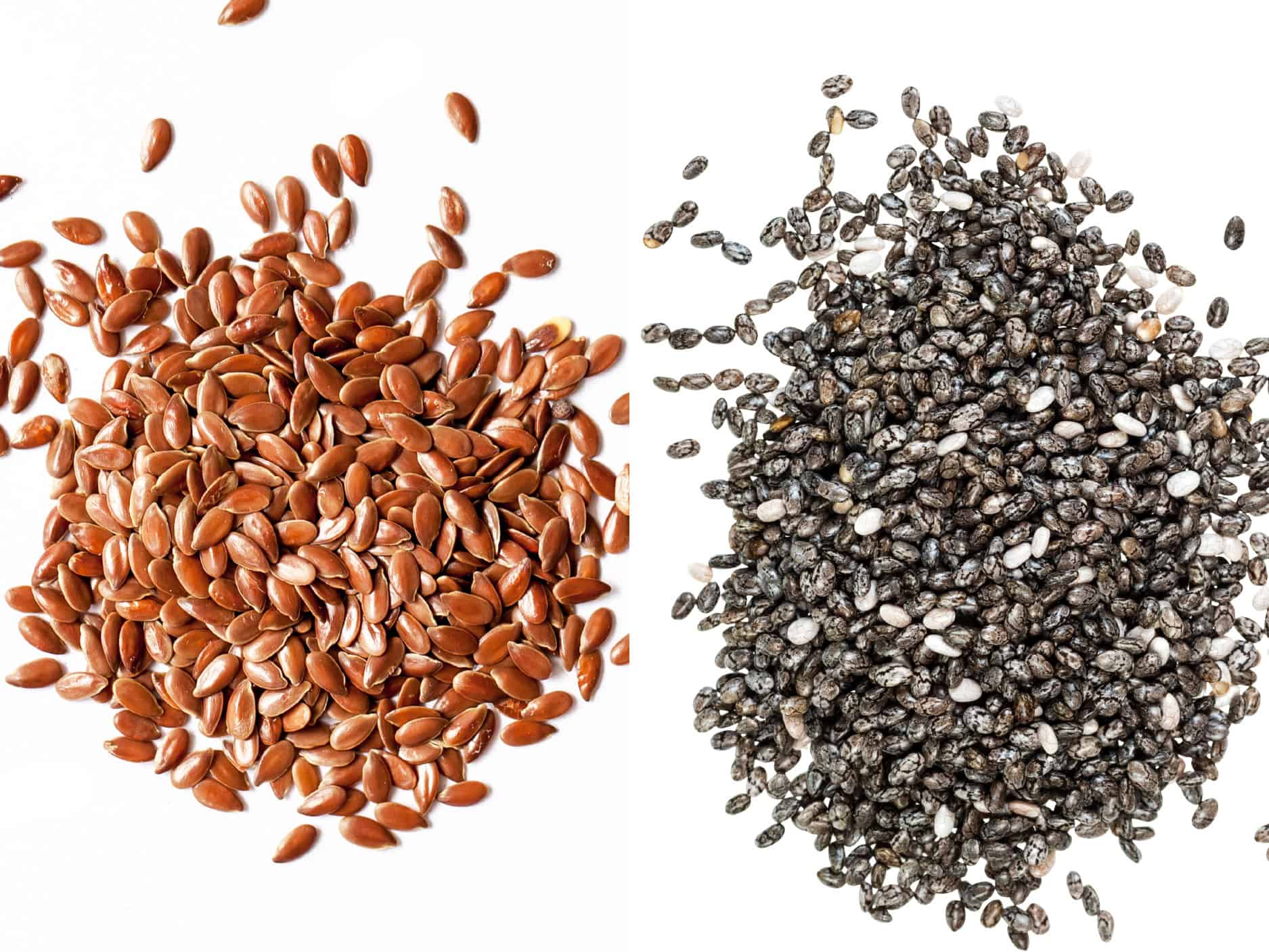
The Rise of Vegan Binders: Flax Eggs vs. Chia Eggs
In the vibrant world of vegan baking, finding reliable egg substitutes is paramount to success. Eggs typically serve multiple functions in traditional recipes: binding ingredients, adding moisture, leavening, and contributing to texture. When transitioning to plant-based cooking, two star players consistently rise to the occasion as exceptional binders: flax eggs and chia eggs. These humble seed-based concoctions have revolutionized how home bakers and professional chefs approach vegan recipes, offering effective, nutritious, and easily accessible alternatives.
But with two excellent options available, how do you choose the best one for your specific culinary creation? Understanding the subtle differences between flax eggs and chia eggs is key to unlocking their full potential. This comprehensive guide will delve into the properties, best uses, and unique characteristics of each, empowering you to confidently decide whether to opt for flax or chia when you need to know how to make flax eggs or chia eggs for your next vegan masterpiece.
Understanding Flax Eggs: Properties and Best Uses
The flax egg, often hailed as the original vegan egg substitute, is a simple yet powerful binder derived from ground flaxseeds. When combined with water, ground flaxseeds absorb moisture and create a gelatinous, somewhat sticky mixture that mimics the binding properties of a conventional egg. It's a fantastic source of omega-3 fatty acids, fiber, and lignans, making it a nutritious addition to any dish.
How to Make a Flax Egg: Your Practical Guide
Preparing a flax egg is incredibly straightforward, requiring just two ingredients and a few minutes of patience. Here’s how to make a flax egg:
- Ingredients: 1 tablespoon of finely ground flaxseeds (also known as flax meal) and 3 tablespoons of water.
- Instructions:
- Combine the ground flaxseeds and water in a small bowl.
- Stir well to ensure the seeds are fully hydrated.
- Let the mixture sit for 5-10 minutes, or until it reaches a thick, gelatinous consistency similar to a raw egg white.
This single flax egg is typically equivalent to one chicken egg in most recipes. Always use ground flaxseeds, as whole seeds won't absorb enough liquid to create the necessary gel.
Texture, Flavor, and Nutritional Benefits
A flax egg produces a distinctly sticky, somewhat gooey texture. This stickiness is precisely what makes it an excellent binder, helping ingredients cohere beautifully. In terms of flavor, flaxseeds have a mild, slightly nutty taste. This flavor is generally subtle and gets easily masked in richly flavored dishes, but it can be noticeable in very lightly flavored or delicate recipes.
Nutritionally, flaxseeds are powerhouses. They are one of the richest plant-based sources of alpha-linolenic acid (ALA), a type of omega-3 fatty acid crucial for heart health and reducing inflammation. They also provide a significant amount of dietary fiber, aiding digestion, and lignans, which have antioxidant properties.
Best Applications for Flax Eggs
Flax eggs shine in recipes where strong binding is required and a slightly rustic or darker appearance is acceptable. They are particularly well-suited for:
- Dense Baked Goods: Muffins, cookies, brownies, quick breads, and certain cakes benefit greatly from the binding power of flax eggs.
- Pancakes and Waffles: They help create a cohesive batter that holds together well during cooking.
- Veggie Burgers and Meatballs: Flax eggs are excellent for binding the ingredients together, preventing them from crumbling.
- Oatmeal and Granola Bars: Essential for holding these snack bars in shape.
However, due to their slightly darker color and mild nutty flavor, they might not be the top choice for very light-colored cakes or recipes where a completely neutral taste is paramount.
Demystifying Chia Eggs: Characteristics and Ideal Applications
Chia seeds, like flaxseeds, are tiny nutritional giants that transform into an effective vegan binder when exposed to liquid. Known for their incredible absorbency, chia seeds can soak up to 10-12 times their weight in water, forming a thick, gelatinous coating. This mucilaginous property is what makes them such a fantastic egg substitute, providing both binding and a boost of nutrients.
How to Make a Chia Egg: Your Practical Guide
Similar to flax eggs, preparing a chia egg is quick and easy. You can use either whole or ground chia seeds, though whole seeds are more common for this application.
- Ingredients: 1 tablespoon of whole (or ground) chia seeds and 2.5-3 tablespoons of water.
- Instructions:
- Combine the chia seeds and water in a small bowl.
- Stir thoroughly to prevent clumping.
- Let the mixture sit for 10-15 minutes, or until it forms a thick gel. It might take slightly longer than flax eggs to fully gel.
One chia egg typically replaces one chicken egg. The amount of water can be slightly adjusted (2.5 to 3 tablespoons) depending on the desired consistency and the recipe's moisture needs.
Texture, Flavor, and Nutritional Benefits
The texture of a chia egg is typically a firmer, more jelly-like gel compared to the stickier consistency of a flax egg. If using whole seeds, you'll also notice small, soft seed particles throughout the gel. Chia seeds are celebrated for their remarkably neutral flavor profile, which makes them incredibly versatile in baking.
From a nutritional standpoint, chia seeds are exceptionally rich. They provide a high amount of dietary fiber, promoting satiety and digestive health. They are also an excellent plant-based source of omega-3 fatty acids (ALA), protein, calcium, magnesium, and phosphorus, making them a nutritious boost for any meal.
Best Applications for Chia Eggs
Thanks to their neutral flavor and strong binding properties, chia eggs are incredibly versatile. They are particularly well-suited for:
- Light-Colored Baked Goods: Vanilla cakes, white bread, or delicate pastries where you want to avoid specks or a darker hue.
- Recipes Requiring a Neutral Taste: Any dish where you want the primary flavors to shine through without any nutty undertones.
- Smoothies and Puddings: Beyond binding, chia eggs are excellent for thickening beverages and creating creamy textures.
- Fruit Crisps and Crumbles: Helps to bind the topping and create a desirable texture.
- Vegan Frittatas and Scrambles: Can be used to help solidify and bind ingredients in savory applications.
While whole chia seeds are often preferred for their texture, if you want an even smoother binder, you can grind them before mixing with water.
Flax Egg vs. Chia Egg: A Side-by-Side Comparison for Bakers
Choosing between a flax egg and a chia egg often comes down to the specific demands of your recipe. While both excel as vegan binders, their subtle differences can impact the final product.
Key Differences at a Glance
- Appearance/Color:
- Flax Egg: Tends to be brownish-gold, especially if using brown flaxseeds, which can slightly tint lighter baked goods.
- Chia Egg: If using black chia seeds, they will create dark specks. White chia seeds offer a more invisible binder. The gel itself is more translucent.
- Texture:
- Flax Egg: Produces a stickier, gooier, more gelatinous texture. Excellent for maximum adhesion.
- Chia Egg: Creates a firmer, more jelly-like gel. Can lend a slightly 'seedier' texture if using whole seeds.
- Flavor:
- Flax Egg: Possesses a mild, subtly nutty flavor.
- Chia Egg: Remarkably neutral, making it ideal for delicate flavors.
- Gelling Time:
- Flax Egg: Gels relatively quickly, usually within 5-10 minutes.
- Chia Egg: May take slightly longer, 10-15 minutes, to reach full gel consistency.
- Nutritional Profile: Both are rich in fiber and omega-3s. Chia seeds generally offer a bit more protein and calcium.
When to Choose Flax Eggs
Opt for flax eggs when:
- You are making darker or robustly flavored baked goods like chocolate cakes, spiced muffins, whole wheat breads, or oatmeal cookies, where its color and nutty flavor will blend seamlessly.
- You need a binder with maximum stickiness to hold together dense mixtures, such as veggie burgers or very moist quick breads.
- You have brown flaxseeds readily available and don't mind a slight color change.
When to Choose Chia Eggs
Choose chia eggs when:
- You are preparing light-colored or delicately flavored recipes, such as vanilla cupcakes, lemon loaves, or white breads, where a neutral taste and minimal color impact are crucial.
- You want the added nutritional punch of protein and calcium without affecting the flavor profile.
- You prefer a slightly firmer, more jelly-like binding agent, or don't mind the visual texture of whole chia seeds.
For more detailed insights into various vegan egg substitutes, including flax and chia eggs, you might find our guide on Master Flax & Chia Eggs: The Vegan Egg Substitute Guide particularly helpful.
Expert Tips for Perfecting Your Vegan Binders
Whether you're making flax eggs or chia eggs, a few simple tips can ensure consistent success in your vegan baking:
- Always Use Ground Flaxseeds: For flax eggs, grinding the seeds increases their surface area, allowing them to absorb water and form a gel much more effectively than whole seeds. You can buy flax meal or grind whole flaxseeds in a coffee grinder yourself.
- Freshness Matters: Seeds, especially once ground, can go rancid. Store ground flaxseeds in the refrigerator or freezer to maintain their freshness and nutritional value. Whole chia seeds have a longer shelf life at room temperature.
- Don't Rush the Gelling Process: The resting time is crucial for both flax and chia eggs to properly absorb water and form their characteristic gel. Rushing this step will result in a less effective binder.
- Adjust Liquid Slightly if Needed: Some recipes might respond better to slightly less or more water in your egg substitute. If a recipe feels too dry, try adding a tiny bit more water to your seed mixture. If too wet, reduce slightly next time.
- Consider Ground Chia for Smoothness: While whole chia seeds work perfectly, if you want a smoother texture without visible specks (especially in lighter baked goods), you can grind chia seeds before mixing them with water.
- Use as a 1:1 Replacement: Generally, one flax egg or one chia egg can replace one large chicken egg. Avoid using too many in a single recipe, as it can alter the texture of your baked goods, making them too dense or gummy.
Making the Best Choice for Your Vegan Creations
Both flax eggs and chia eggs are incredible tools in the vegan baker's arsenal, offering effective, nutritious, and easy-to-make egg substitutes. There's no single "best" option; instead, the ideal choice hinges on the specific requirements of your recipe.
By understanding their distinct textures, flavor profiles, and ideal applications, you can strategically select the binder that will best complement your dish, whether it's a hearty batch of chocolate chip cookies or a delicate vanilla cake. Knowing how to make flax eggs or chia eggs, and when to use each, truly empowers your vegan baking journey, ensuring delicious and perfectly bound results every time.
