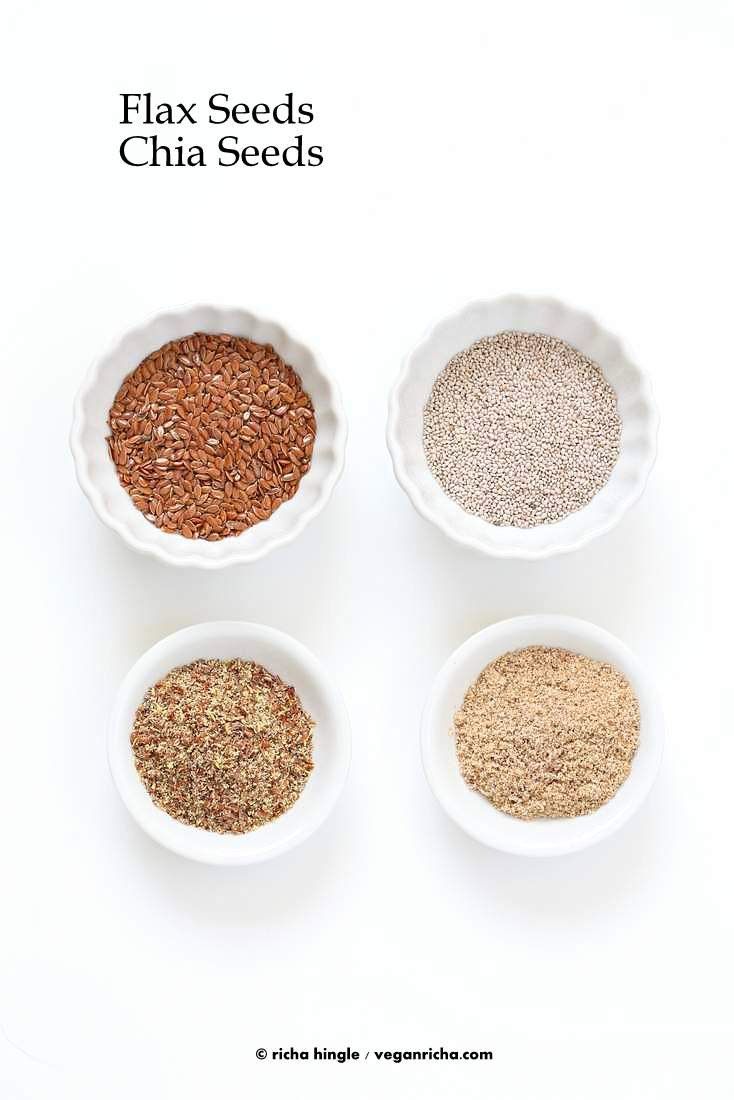
How to Make Flax Eggs & Chia Eggs for Vegan Baking: Your Ultimate Guide
Venturing into vegan baking opens up a world of delicious possibilities, but it often comes with a common question: how do I replace eggs? Eggs play a crucial role in traditional baking, acting as binders, leaveners, and moisturizers. Fortunately, the plant-based pantry offers ingenious solutions, with flax eggs and chia eggs leading the charge. These simple, wholesome substitutes mimic many of the functions of a chicken egg, making vegan baking accessible and successful.
Whether you're new to plant-based cooking or a seasoned vegan baker looking to perfect your technique, understanding how to make flax eggs or chia eggs is a foundational skill. This comprehensive guide will walk you through the preparation, uses, and unique benefits of both, empowering you to create incredible vegan treats with confidence.
Understanding Flax Eggs: The Vegan Baker's Staple
The flax egg is arguably the most popular and widely used vegan egg substitute, and for good reason. It's incredibly simple to make, effective, and uses an ingredient readily available in most grocery stores.
What is a Flax Egg?
A flax egg is a mixture of ground flaxseeds and water that, when left to sit for a few minutes, transforms into a gelatinous, egg-like consistency. This happens because ground flaxseeds are rich in soluble fiber (specifically, mucilage), which forms a viscous gel when combined with liquid. This gel acts as a powerful binder in baked goods, holding ingredients together and preventing crumbling.
Why Use Flax Eggs?
- Excellent Binder: They excel at binding ingredients, perfect for cookies, muffins, quick breads, and veggie burgers.
- Nutrient-Rich: Flaxseeds are a powerhouse of nutrition, packed with omega-3 fatty acids, fiber, and lignans.
- Subtle Flavor: They have a mild, slightly nutty flavor that rarely overpowers the taste of your baked goods.
- Economical: Flaxseeds are relatively inexpensive and have a long shelf life when stored properly.
How to Make a Flax Egg
Making a flax egg is straightforward. The golden rule is a 1:3 ratio of ground flaxseed to water.
Yields: 1 flax egg (equivalent to 1 chicken egg)
Ingredients:
- 1 tablespoon finely ground flaxseeds (golden or brown)
- 3 tablespoons water (room temperature or cold)
Instructions:
- Combine: In a small bowl or ramekin, add the ground flaxseeds and water.
- Whisk: Stir vigorously with a fork or small whisk until well combined. Ensure there are no dry pockets of flaxseed.
- Rest: Let the mixture sit undisturbed for 5 to 10 minutes. During this time, the flaxseeds will absorb the water and thicken into a gelatinous consistency, similar to a raw egg white.
- Use: Your flax egg is now ready to be used in your recipe.
Tips for Perfect Flax Eggs:
- Always use ground flaxseeds: Whole flaxseeds will not absorb water or form a gel as effectively. If you only have whole flaxseeds, grind them in a coffee grinder or high-speed blender until powdery.
- Grind fresh for best results: While pre-ground flaxseed meal works, grinding fresh flaxseeds often yields a more potent gel. Store whole flaxseeds in the fridge or freezer to prevent rancidity.
- Don't rush it: The gelling process takes time. Allow the full 5-10 minutes for the flax egg to thicken properly.
- Adjust consistency if needed: If your flax egg seems too thin after 10 minutes, you can add another half teaspoon of ground flaxseed, stir, and wait a few more minutes.
Mastering Chia Eggs: A Nutrient-Rich Alternative
Chia seeds, much like flaxseeds, are tiny powerhouses that transform into an effective egg substitute when mixed with water. They offer a slightly different texture and nutritional profile, making them a fantastic alternative or complement to flax eggs.
What is a Chia Egg?
A chia egg is made by combining whole or ground chia seeds with water. Chia seeds are incredibly absorbent, capable of soaking up to 10-12 times their weight in liquid. This absorption creates a thick, mucilaginous gel that functions as a binder, similar to a flax egg.
Why Use Chia Eggs?
- Powerful Binder: Excellent for binding, particularly in recipes where a slightly denser texture is desired, like brownies, denser cakes, or energy bars.
- Nutritional Boost: Chia seeds are rich in fiber, protein, omega-3s, and various micronutrients like calcium and magnesium.
- Neutral Flavor: Chia seeds have a very neutral flavor, making them ideal when you want the binder to be undetectable.
- Texture Variation: Using whole chia seeds can add a pleasant speckled texture to your baked goods.
How to Make a Chia Egg
The ratio for a chia egg is also 1:3 (chia seeds to water).
Yields: 1 chia egg (equivalent to 1 chicken egg)
Ingredients:
- 1 tablespoon whole or ground chia seeds
- 3 tablespoons water (room temperature or cold)
Instructions:
- Combine: In a small bowl, add the chia seeds and water.
- Whisk: Stir well with a fork to prevent clumping and ensure even hydration.
- Rest: Allow the mixture to sit for 5 to 15 minutes. Whole chia seeds generally take a bit longer to fully gel (up to 15 minutes) compared to ground chia seeds (5-10 minutes). The mixture should be thick and gelatinous.
- Use: Incorporate your chia egg into your recipe as you would a regular egg.
Tips for Perfect Chia Eggs:
- Whole vs. Ground: Whole chia seeds will create a visible, speckled texture, which can be appealing in some recipes (e.g., rustic breads, muffins). Ground chia seeds will yield a smoother result, less noticeable in delicate bakes.
- Stirring is key: Stirring initially is important to prevent the seeds from clumping at the bottom of the bowl and ensure they absorb water evenly.
- Check consistency: Just like flax eggs, ensure your chia egg has reached a thick, gel-like consistency before using. If it's too watery, let it sit longer or add a tiny pinch more chia seeds.
- Hydration speed: Ground chia seeds will gel faster than whole seeds.
Flax Egg vs. Chia Egg: Choosing Your Perfect Plant-Based Binder
When learning how to make flax eggs or chia eggs, you might wonder which one is best for your specific baking needs. While both are excellent binders, they have subtle differences that can influence your final product.
For a detailed breakdown and help deciding, make sure to check out our dedicated guide: Flax Egg vs. Chia Egg: Choose Your Best Vegan Binder. In the meantime, here's a quick comparison:
Flax Egg Advantages:
- Texture: Tends to create a slightly smoother, less noticeable texture in baked goods, especially when finely ground.
- Flavor: Offers a mild, nutty flavor that complements many sweet and savory recipes.
- Best For: Ideal for lighter baked goods like cookies, muffins, quick breads, pancakes, and waffles where you want minimal impact on appearance and a delicate crumb.
Chia Egg Advantages:
- Texture: Whole chia seeds can add a unique, speckled appearance and a slightly chewier texture. Ground chia seeds offer a smoother bind.
- Flavor: Very neutral, making it a good choice when you want the flavor of your other ingredients to shine completely.
- Nutritional Boost: Often cited as having a slightly higher protein and calcium content than flaxseeds.
- Best For: Great for denser baked goods such as brownies, some cakes, energy bars, and recipes where a visible speckled look is desired.
In most recipes that call for one flax or chia egg, you can often interchange them without significant issues. However, for more delicate recipes, considering these nuances can elevate your vegan baking.
Beyond the Basics: Advanced Tips for Flawless Vegan Baking
Mastering how to make flax eggs or chia eggs is just the beginning. Here are some advanced tips to ensure your vegan baking is always a success:
How Many Flax/Chia Eggs Per Recipe?
Generally, one flax egg or one chia egg (made with 1 tbsp seeds + 3 tbsp water) replaces one standard chicken egg in a recipe. However, most recipes rarely call for more than two or three egg substitutes, especially when relying solely on flax or chia. Too many can lead to a gummy or overly dense texture. For recipes requiring many eggs (e.g., custards, soufflés), you'll need different egg replacers or a specialized vegan recipe designed for that purpose.
Troubleshooting Common Issues:
- Recipe is too dense: Flax and chia eggs are excellent binders but don't provide much leavening. Ensure your recipe has enough baking powder, baking soda, or other leavening agents if it's meant to be fluffy.
- Doesn't gel properly:
- For flax: Make sure your flaxseeds are finely ground. Whole flaxseeds won't gel.
- For both: Ensure you've allowed enough resting time. If it's still too thin, add a tiny bit more ground seed, stir, and wait.
- Visible specks in my bake: If you don't want visible specks from whole chia seeds or ground flaxseeds, use ground white chia seeds for an almost invisible binder. Alternatively, for flax eggs, ensure your flax meal is very finely ground.
Storing Flax and Chia Seeds:
- Whole Seeds: Store whole flaxseeds and chia seeds in a cool, dark, dry place (like a pantry) for up to 1-2 years.
- Ground Flaxseeds (Meal): Ground flaxseeds are more prone to oxidation due to their exposed oils. Store flax meal in an airtight container in the refrigerator for up to 3-6 months, or in the freezer for up to a year.
- Prepared Eggs: You can prepare flax or chia eggs in advance and store them in an airtight container in the refrigerator for 1-2 days. Give them a quick stir before use if they've separated slightly.
To dive even deeper into the world of vegan egg substitutes and explore more advanced techniques, be sure to read our comprehensive guide: Master Flax & Chia Eggs: The Vegan Egg Substitute Guide.
Conclusion
Learning how to make flax eggs or chia eggs is a game-changer for anyone interested in plant-based baking. These two simple yet effective egg substitutes provide reliable binding and can be seamlessly integrated into a wide array of recipes, from rustic muffins to decadent brownies. With their added nutritional benefits and ease of preparation, flax and chia eggs are indispensable tools in the vegan kitchen. Experiment with both, understand their subtle differences, and you'll unlock a world of delicious, egg-free baking possibilities!
