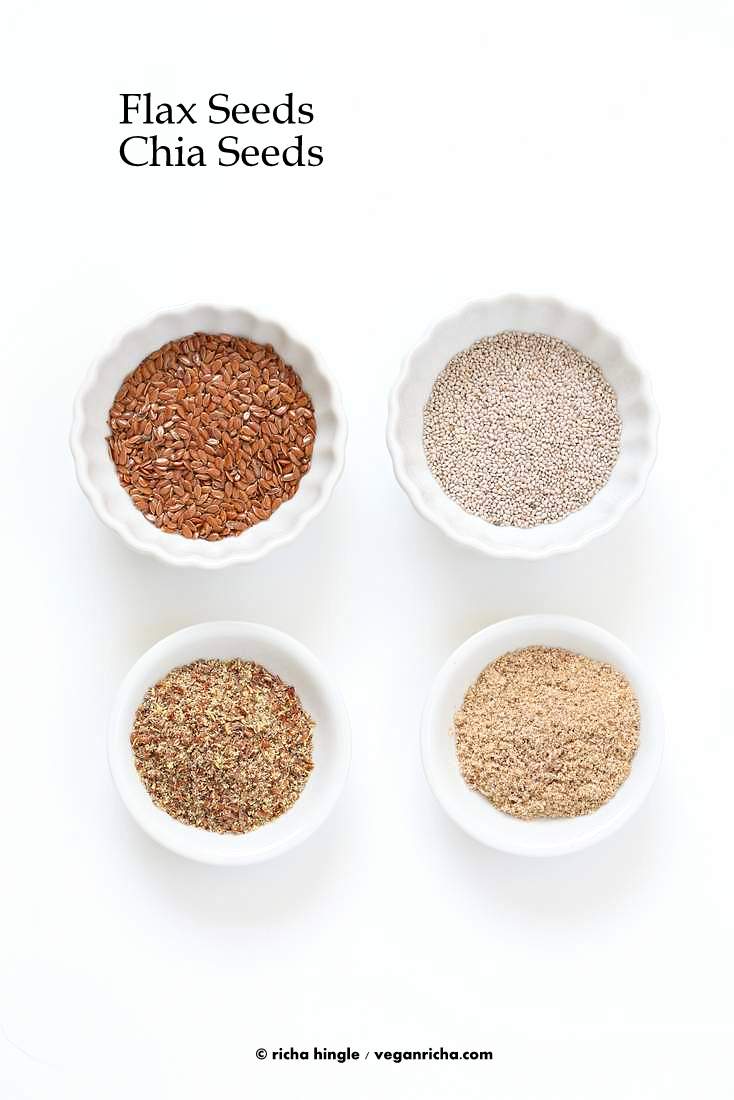
Embarking on a vegan baking journey often presents a unique challenge: replacing eggs. Eggs serve multiple crucial functions in traditional recipes—binding ingredients, adding moisture, leavening, and providing structure. For many aspiring vegan bakers and seasoned pros alike, finding an effective, natural, and readily available substitute is key. Enter flax and chia eggs, two nutritional powerhouses that effortlessly step in to fill the void, transforming your baked goods with their incredible binding properties. If you've ever wondered how to make flax eggs or chia eggs, you're in the right place. This comprehensive guide will demystify these simple yet powerful vegan egg alternatives, ensuring your cookies, muffins, and quick breads turn out perfectly every time.
Flax and chia eggs are made from just two ingredients: ground seeds and water. When combined, the mucilage (soluble fiber) in the seeds absorbs the liquid, creating a gelatinous, egg-like consistency that acts as a superb binder in a wide array of recipes. Not only are they incredibly effective, but they also bring a wealth of nutritional benefits, including omega-3 fatty acids, fiber, and protein, making your vegan creations healthier and more satisfying.
How to Make Flax Eggs: The Ultimate Guide
Flax eggs are a staple in vegan baking, prized for their subtle nutty flavor and excellent binding capabilities. They are particularly effective in denser baked goods like muffins, quick breads, and cookies. The secret lies in using ground flaxseeds, often referred to as flaxseed meal, rather than whole seeds. Grinding the seeds breaks down their hard outer shell, allowing the mucilage to interact with water and form that desirable gel-like consistency.
Ingredients and Ratios for Flax Eggs
The standard ratio for one flax egg is straightforward:
- 1 tablespoon ground flaxseed meal (golden or brown flaxseeds work equally well)
- 2.5 to 3 tablespoons water (room temperature or cold water is fine)
Using 2.5 tablespoons of water tends to yield a slightly thicker "egg," while 3 tablespoons will result in a slightly looser, more egg-white-like consistency. Both work effectively in most recipes.
Step-by-Step Instructions
- Grind Your Flaxseeds (If Necessary): If you only have whole flaxseeds, use a coffee grinder or a high-speed blender to grind them into a fine meal. This step is crucial for activation. Pre-ground flaxseed meal is widely available and convenient.
- Combine Ingredients: In a small bowl or ramekin, combine the ground flaxseed meal and water.
- Stir Thoroughly: Use a spoon or whisk to mix the flaxseed meal and water together until well combined. This helps prevent clumping and ensures even hydration.
- Let It Rest: Allow the mixture to sit for 5 to 10 minutes. During this time, the flaxseeds will absorb the water and thicken into a gelatinous, egg-like substance. It should have a consistency similar to a raw egg white.
Tips for Perfect Flax Eggs
- Consistency is Key: Your flax egg should be thick and slightly gloopy, but not overly watery or solid. If it seems too thin, let it sit for another minute or two.
- Freshness Matters: Ground flaxseed meal can go rancid faster than whole seeds due to increased surface area exposure to air. Store your flaxseed meal in an airtight container in the refrigerator or freezer to prolong its freshness.
- Don't Use Whole Flaxseeds for Binding: While whole flaxseeds are nutritious, they won't create the necessary binding gel. Always use ground flaxseed meal for flax eggs.
- Make Ahead: You can prepare flax eggs a day in advance and store them covered in the refrigerator. Just give them a quick stir before using.
How to Make Chia Eggs: A Simple Method
Chia eggs are another fantastic vegan egg substitute, offering similar binding properties to flax eggs but with a slightly different visual and textural profile. Chia seeds are known for their exceptional ability to absorb liquid, swelling to many times their original size and forming a potent gel. The process for making them is equally simple.
Ingredients and Ratios for Chia Eggs
The ratio for one chia egg closely mirrors that of a flax egg:
- 1 tablespoon whole or ground chia seeds
- 2.5 to 3 tablespoons water (room temperature or cold water)
Unlike flaxseeds, whole chia seeds will form a gel, though grinding them can lead to a smoother consistency in your baked goods, making them less noticeable.
Step-by-Step Instructions
- Combine Ingredients: In a small bowl, combine the chia seeds (whole or ground) and water.
- Stir Immediately: It's important to stir the mixture right away to prevent the chia seeds from clumping together at the bottom of the bowl. Stir thoroughly for about 30 seconds.
- Let It Rest: Allow the mixture to sit for 5 to 10 minutes. The chia seeds will absorb the water, swell, and transform into a thick, gelatinous substance.
Tips for Perfect Chia Eggs
- Initial Stir is Crucial: Don't skip stirring immediately after adding water to avoid clumps.
- Whole vs. Ground: Whole chia seeds work perfectly and are often preferred for their ease. However, if you're making a light-colored cake or a recipe where you don't want visible specks, you can grind the chia seeds first to make them less noticeable.
- Observe the Consistency: Like flax eggs, a chia egg should be thick and gelatinous. If it's too thin, let it sit longer.
- Nutritional Boost: Chia seeds are a nutritional powerhouse, providing fiber, protein, and omega-3 fatty acids, adding a healthy boost to your vegan bakes.
When to Use Flax vs. Chia Eggs: Choosing Your Best Vegan Binder
While both flax and chia eggs are excellent vegan egg substitutes, they do have subtle differences that can influence your choice depending on the recipe. Understanding these nuances will help you achieve optimal results in your vegan baking endeavors. For a deeper dive into their specific uses and properties, you might find our article Flax Egg vs. Chia Egg: Choose Your Best Vegan Binder incredibly helpful.
Understanding Their Unique Properties
- Appearance: Flax eggs, especially when made from golden flaxseed meal, tend to blend in more seamlessly with light-colored batters, though brown flaxseed meal will add a slight tint. Chia eggs, even when whole, will create visible specks in your finished product, which might be undesirable in some delicate recipes.
- Flavor: Flax seeds impart a very mild, slightly nutty flavor, which can complement many baked goods. Chia seeds are generally more neutral in flavor.
- Texture: Both create a similar gelatinous texture, but some bakers find chia eggs to be slightly more robust in their binding power, while flax eggs often contribute a bit more moisture.
Best Uses for Flax Eggs
Flax eggs are incredibly versatile and work well in a wide range of baked goods where a binding agent is needed. They are particularly suited for:
- Muffins and Quick Breads: Providing structure and moisture without altering the flavor profile significantly.
- Cookies: Helping to bind doughs and prevent crumbling.
- Brownies: Contributing to a rich, fudgy texture.
- Pancakes and Waffles: Acting as a binder to hold the batter together.
- Anything with a Rustic or Darker Appearance: The slight color or texture from flaxseed meal often goes unnoticed in these recipes.
Best Uses for Chia Eggs
Chia eggs are equally versatile, especially when you need a strong binder or are less concerned about visible specks. They shine in:
- Gluten-Free Baking: The strong binding properties of chia seeds are often beneficial in gluten-free recipes that lack the natural binding of gluten.
- Darker Baked Goods: Like flax, chia eggs are great in brownies, chocolate cakes, or anything where the dark specks won't be noticeable.
- Vegan Meatballs or Burgers: Acting as a binder to hold patties together.
- Smoothies and Puddings: While not strictly an egg substitute here, chia's gelling ability is excellent for thickening.
Troubleshooting and Advanced Tips for Vegan Egg Substitutes
Mastering flax and chia eggs is relatively easy, but like any cooking technique, there are common pitfalls to avoid and advanced tips to elevate your vegan baking. For an even more detailed resource specifically tailored to baking applications, be sure to check out How to Make Flax Eggs & Chia Eggs for Vegan Baking.
Common Mistakes to Avoid
- Not Grinding Flaxseeds: This is the number one mistake. Whole flaxseeds will not form a gel and will not bind your ingredients.
- Not Allowing Enough Resting Time: Patience is key. If you don't let the mixture sit for 5-10 minutes, it won't be thick enough to act as an effective binder.
- Incorrect Ratios: Too much water will result in a thin, ineffective binder; too little will create a crumbly, dry texture. Stick to the recommended ratios.
- Expecting Leavening: Remember, flax and chia eggs are binders, not leavening agents. They won't make your cake rise like whipped egg whites. For lift, you'll still need baking powder, baking soda, or other leaveners.
Storage and Shelf Life
Once prepared, flax and chia eggs can be stored in an airtight container in the refrigerator for up to 2-3 days. They might thicken further over time, but a quick stir will usually bring them back to a usable consistency. As mentioned, storing ground flaxseed meal in the fridge or freezer is recommended to prevent rancidity. Whole chia seeds have a much longer shelf life and can be stored at room temperature.
Flavor and Texture Considerations
While generally mild, flax seeds can impart a subtle nutty flavor. This is often desirable but worth noting for delicate recipes. Chia seeds are very neutral. Both substitutes tend to make baked goods slightly denser and chewier than their egg-laden counterparts. This can be a positive attribute, contributing to a rich, satisfying texture, especially in brownies or cookies. For recipes that require a very light and airy texture, you might need to explore other egg replacers or adjust leavening agents.
In conclusion, mastering how to make flax eggs or chia eggs is a game-changer for anyone venturing into vegan baking. These simple, natural, and nutrient-rich binders are incredibly effective and versatile, making it easier than ever to create delicious plant-based versions of your favorite baked goods. By understanding the basic ratios, preparation steps, and subtle differences between flax and chia, you can confidently substitute eggs in countless recipes, opening up a world of vegan culinary possibilities. So, grab your seeds and water, and start experimenting—your next perfect vegan bake is just minutes away!
